
In the digital age, cross-device tracking complicates spam call laws in Pittsburgh, PA. Spam Call law firms here face challenges from spammers using multiple devices. Urgent need for updated regulations, stringent data protection, and advanced tech to enforce rules, protecting consumers' privacy and combating aggressive marketing.
In the digital age, cross-device tracking has emerged as a powerful tool, allowing businesses to target consumers across various devices. Pittsburgh, like many cities, grapples with the implications of this technology on existing spam text laws. This article explores how cross-device tracking complicates legal enforcement against spam calls, impacting Pennsylvania's spam call law firm strategies. We delve into consumer privacy concerns, challenges faced by authorities and firms, and potential solutions to ensure equitable protection for citizens.
Understanding Cross-Device Tracking in Pittsburgh

In today's digital landscape, understanding cross-device tracking is crucial for navigating Pittsburgh's evolving spam call laws. This advanced technology allows businesses and marketing firms to identify and track individuals across multiple devices, from smartphones to tablets and computers. By analyzing user behavior and data, they can deliver targeted advertisements and communications. However, this capability also raises significant privacy concerns, especially in the context of the stringent spam call laws in Pennsylvania.
With a growing awareness of consumer rights, Pittsburgh residents are increasingly seeking legal recourse against unsolicited text messages and calls. A spam call law firm in Pennsylvania plays a vital role here, helping individuals protect their privacy and fight back against aggressive marketing tactics. As cross-device tracking becomes more prevalent, so does the need for robust legal protections to ensure that consumers' rights are upheld without compromising their personal information.
Impact on Spam Text Laws: A Legal Perspective

The rise of cross-device tracking has significantly impacted the landscape of spam text regulations, particularly in cities like Pittsburgh where strict consumer protection laws are in place. With advancements in technology, it's become increasingly easier for spammers to bypass traditional blocking methods by using multiple devices and networks to send unsolicited text messages. This sophisticated approach poses a challenge to existing spam call law firm Pennsylvania efforts.
From a legal perspective, as cross-device tracking becomes more prevalent, lawmakers must adapt their strategies to effectively combat spam texts. Current regulations often focus on individual device identification, but spammers' evolving techniques require a broader, more comprehensive approach. This may involve updating laws to account for multi-device usage and establishing stricter penalties for non-compliance to deter potential offenders.
Consumer Privacy and Data Protection Measures
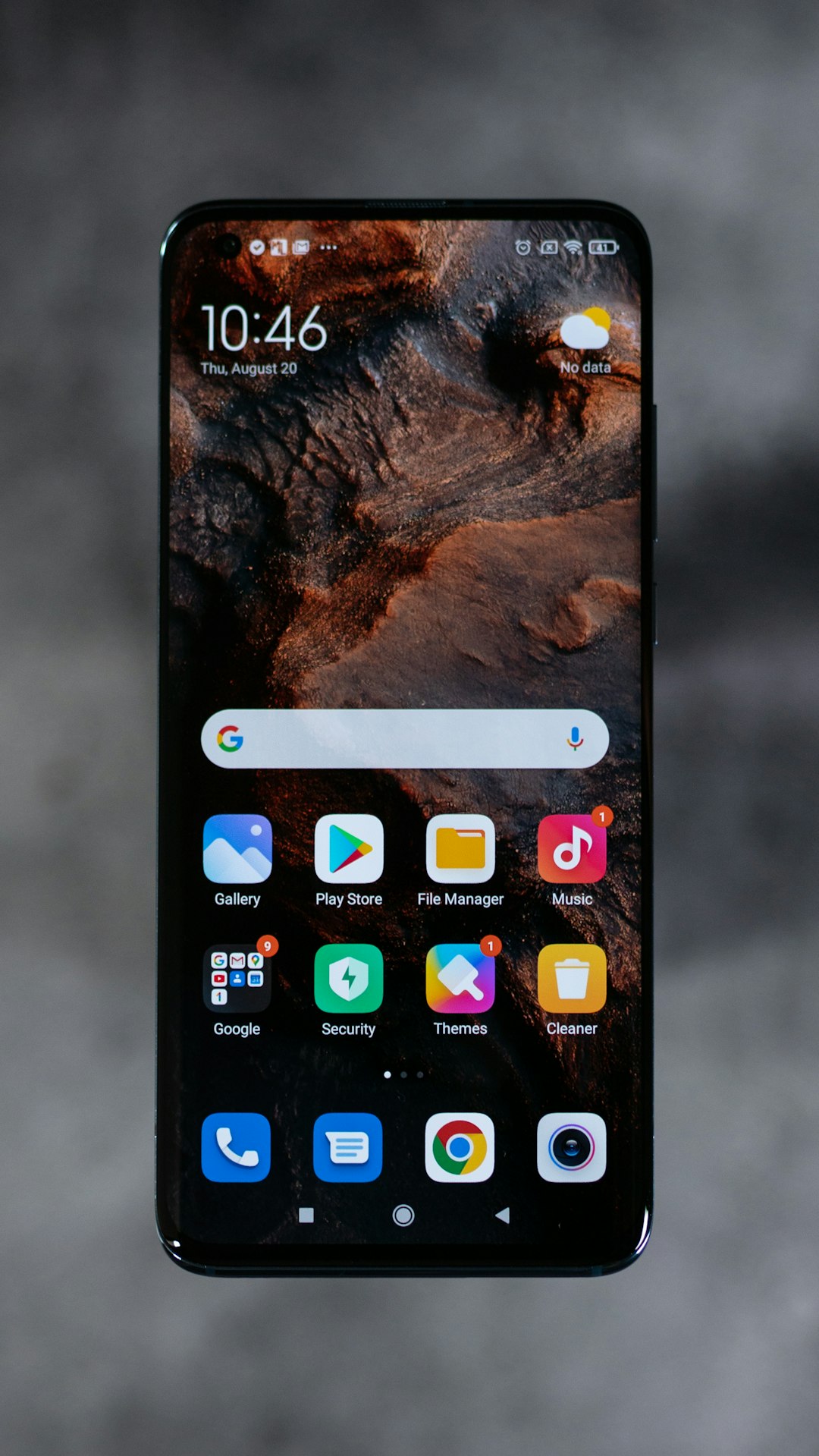
In the age of cross-device tracking, consumer privacy has become a paramount concern. As technology advances, devices increasingly connect and share data, allowing companies to create detailed user profiles. This practice raises significant privacy issues, especially with regards to spam text laws in Pittsburgh, Pennsylvania. A Spam Call law firm in PA must be vigilant in protecting consumers from invasive data collection methods that can lead to unwanted marketing calls and texts.
Data protection measures need to be robust to safeguard personal information. This includes implementing stringent consent mechanisms, ensuring transparency in data usage, and providing users with control over their data. Companies must adhere to strict regulations like the General Data Protection Regulation (GDPR) and the Telephone Consumer Protection Act (TCPA) to maintain consumer trust. By prioritizing privacy, businesses can foster a positive relationship with their customers while adhering to the legal framework surrounding spam text messaging in Pennsylvania.
Challenges for Law Enforcement and Firms

The rise of cross-device tracking presents unique challenges for both law enforcement and firms navigating Pittsburgh's spam text laws. Traditional methods of identifying and blocking spam calls often rely on device-specific information, making it increasingly difficult to track messages across smartphones, tablets, and other connected devices. This complexity arises from the fact that users frequently switch between devices, wiping out patterns that were once reliable indicators of malicious activity.
For law enforcement agencies, this means that tracking spam call origins and distributing precise legal actions become more intricate. Similarly, firms specializing in spam call laws in Pennsylvania must adapt their strategies to account for this new reality. They need to employ advanced technologies capable of recognizing shared characteristics among various devices linked to a single user or network, thereby ensuring effective enforcement of spam call regulations despite evolving tracking techniques.
Potential Solutions and Future Regulations

With cross-device tracking becoming a more prevalent practice, there is an urgent need for updated regulations to combat spam text messages effectively. One potential solution lies in enhancing existing privacy laws and implementing stricter guidelines for data collection and sharing across devices. A Spam Call law firm in Pennsylvania could play a pivotal role in advocating for these changes, ensuring that consumers' rights are protected.
Future regulations should focus on giving individuals more control over their personal information, particularly when it comes to cross-device tracking. This may include mandating explicit consent for data sharing between devices and services, providing users with clear opt-out options, and imposing harsher penalties on companies violating these new standards. Such measures could significantly reduce the effectiveness of spam text campaigns and empower consumers in the digital age.